What to Look for in Hiring When AI Can Polish Any Résumé
Ask candidates about the work behind their résumés, and leave the final hiring decision with the people who will work together.
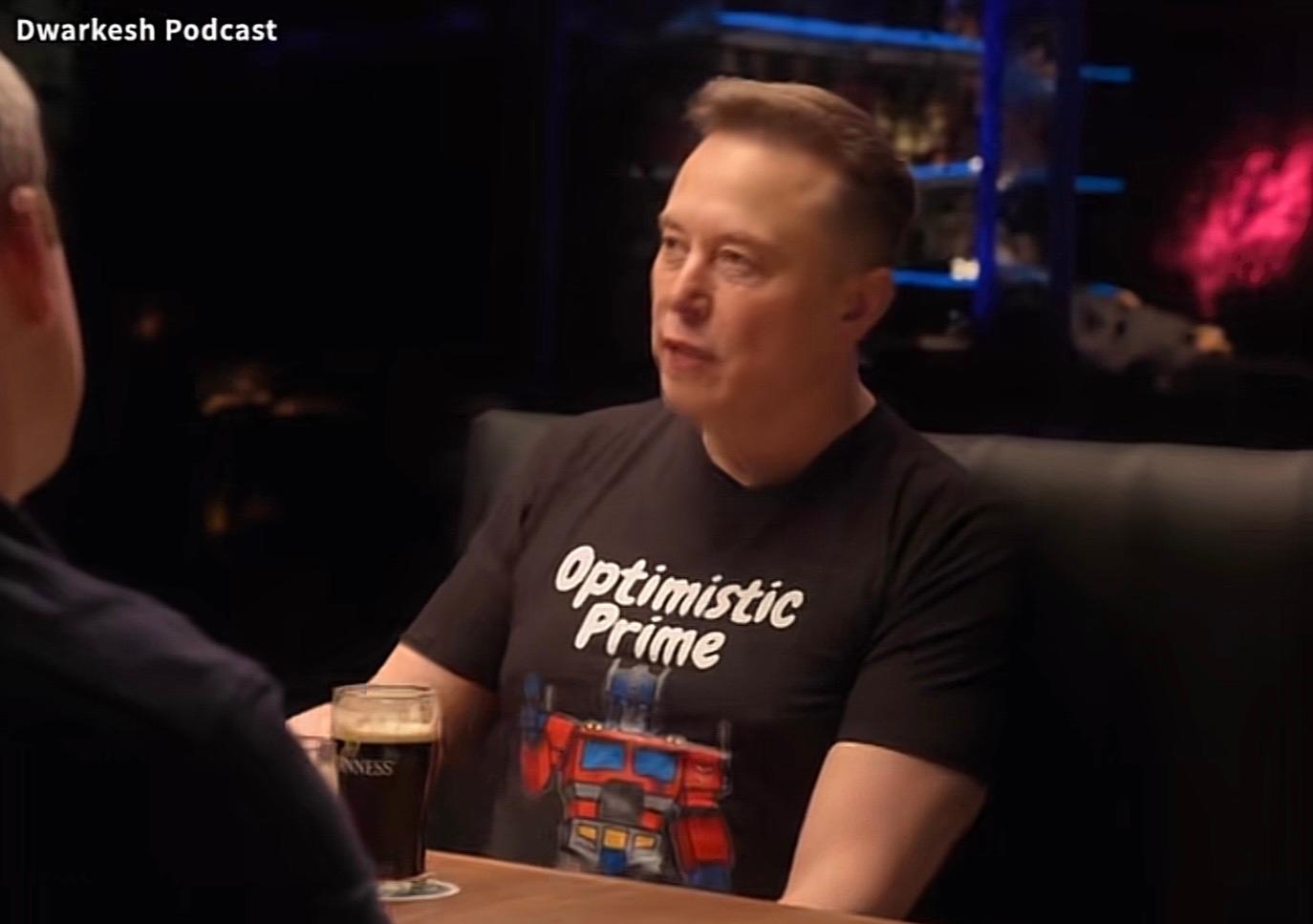
Image source Dwarkesh Podcast
On a podcast, Elon Musk offered a rule of thumb for hiring. A résumé might impress you at first, but if you spend 20 minutes talking with the candidate and come away with a different impression, trust the conversation. He described it as advice he tries to follow himself.
That resonates with me. Now that AI can help anyone put together a polished application, I think it matters more than ever to hear candidates describe the experience behind it in their own words.
Ask what “I led the project” means
Suppose a résumé says, “I led a new project.” I’d want to ask, “Which decisions did you make yourself?” and “What did you do when things went off track?”
Their answers help you understand what they contributed to the team’s work and how they made decisions. Sometimes a project that gets just one line on a résumé turns out to be the clearest example of what the candidate does well.
That’s what makes the conversation worthwhile. A line on a résumé gives you a place to start, and a follow-up question gives the candidate room to tell you what actually happened.
Let the people who will work together make the final call
Even after you’ve explored a candidate’s skills and experience, some things only come through when you talk directly. How do they respond to a question? When does their tone change, or a smile come through? What do they ask when you tell them about the work and the team?
Those exchanges help both the hiring team and the candidate picture what working together could be like.
At ZipUpp, our goal is to ask candidates about the skills and experience on their résumés and use their answers to build a clearer picture of the work they’ve done.
AI may eventually be capable of conducting the final interview. For now, I think it still has limits in picking up everything that comes through when two people speak directly. Until that changes, I want people to speak with the candidate and make the final decision about working together.
When hiring teams spend less time going over a candidate’s work history from scratch, they can spend more time asking questions specific to the role and the person in front of them. “If you were tackling this problem with our team, where would you start?” That’s the kind of conversation we want to make more room for at ZipUpp.